7 Signs You Have a Slab Leak in Delphi
Run through this list before you call anyone. Two or more matches usually confirms it.
- Warm or hot spots on the floor. A hot water line under the slab radiates through tile and laminate.
- Sound of running water with every fixture off. Stand still in a quiet room and listen.
- Water bill spike of 30 percent or more. Compare to the same month last year.
- Cracks in drywall or floor tile. Foundation movement from saturated soil shows up at corners first.
- Mildew smell near baseboards. Moisture wicks up through the slab edge.
- Damp carpet or buckled hardwood with no visible source.
- Low water pressure house-wide. A pinhole under concrete bleeds off pressure constantly.
A few quick field tests sharpen the picture before our truck rolls up:
- Meter test. Shut every fixture, then watch the small leak indicator on your water meter. Any movement means water is escaping somewhere.
- Hot water heater check. If the burner or element kicks on repeatedly with no one using hot water, the hot line is likely the culprit.
- Sock test on the floor. Walk barefoot across tile in the morning. Warm patches over a cold slab are a giveaway.
- Toilet shutoff trick. Close every toilet supply valve, then recheck the meter to rule out flapper leaks.
How Delphi Water Restoration Detects a Slab Leak Without Destroying Your Floor
Jackhammering blind is the old way. We use layered, non-invasive tools first.
- Acoustic listening discs. Sensitive microphones placed on the floor pick up the hiss of pressurized water escaping a pinhole.
- Thermal imaging cameras. Hot water leaks show as bright streaks under cool concrete.
- Tracer gas testing. Hydrogen-nitrogen mix is pushed through the line. A surface sniffer locates the exact escape point within 6 inches.
- Moisture mapping. Penetrating meters chart how far water has migrated through subfloor and wall cavities.
- Pressure isolation testing. We isolate hot vs cold lines to confirm which side is failing before any concrete is cut.
Detection on a typical Delphi slab home takes 60 to 120 minutes. You get a written report with photos, which is exactly what your adjuster needs.
What Repair Options Actually Cost
Slab leak repair pricing varies by access and pipe material. Honest ranges for central Indiana:
- Spot repair (jackhammer and patch one section): 1,500 to 4,000 dollars
- Pipe rerouting through walls and attic: 2,500 to 6,000 dollars
- Full repipe of the slab section: 4,000 to 15,000 dollars
- Epoxy pipe lining (trenchless): 3,500 to 8,000 dollars
- Concrete cutting and patching: 400 to 1,200 dollars on top of plumbing labor
Which option is right depends on a few honest factors:
- Number of leaks. One pinhole favors a spot repair. Two or more on the same line favors rerouting or repipe.
- Pipe age and material. Pre-1990 thin-wall copper in aggressive soil rarely earns a second spot fix.
- Finished flooring value. Travertine, hand-scraped hardwood, and stained concrete push the math toward trenchless options.
- Slab type. Post-tension slabs require a structural engineer sign-off before any cut, which adds 400 to 900 dollars.
- Access points. Garage and closet entry are cheap. Cuts under kitchen islands or master baths get expensive fast.
Restoration is separate from the plumbing fix. Drying out the saturated subfloor, baseboards, and wall cavities usually runs 2,800 to 7,500 dollars depending on square footage and Category. If sewage is involved, see our guidance on Category 3 water removal because the protocol changes significantly.
5 Ways to Prevent the Next Slab Leak
Once you have been through one, you do not want a second. These steps cut the odds dramatically.
- Install a pressure regulator. Anything over 80 psi accelerates pinhole failure. Keep house pressure at 55 to 65 psi.
- Add a whole-home water softener. Delphi water averages 12 to 20 grains per gallon of hardness, which chews through copper.
- Install a smart leak detector. Flo, Moen, and Phyn units shut water off automatically when flow patterns go abnormal.
- Schedule annual plumbing inspections. A 30 minute pressure and meter check catches early failure signs.
- Insulate exposed lines in garages and crawlspaces to reduce thermal stress on slab penetrations.
None of this is glamorous, but it beats cutting open your living room floor. Call Delphi Water Restoration the moment you suspect a slab leak in Delphi. Early detection is the entire ballgame.
Why Delphi Homes Get Slab Leaks More Than You Think
- Clay-heavy soils expand and contract with moisture, stressing pipes
- Hard water mineral buildup erodes copper from inside out
- Older 1970s to 1990s builds often used thin-wall copper directly in concrete
- Freeze-thaw cycles stress fittings even in heated slabs
- Shifting foundations from tree roots near suburban lots
If your home is over 25 years old in Delphi, your slab plumbing is at the back end of its expected life. A detection inspection at the first warning sign saves thousands.
Insurance Claim Language That Works
Most homeowners policies cover sudden and accidental damage from a slab leak, but exclude the pipe repair itself. Use these phrases when you call.
- "Sudden and accidental water discharge from a concealed plumbing line."
- "Access and tear-out coverage to reach the failed pipe."
- "Resulting water damage to flooring, drywall, and personal property."
- "Request mitigation services begin immediately to prevent secondary damage."
- "IICRC Certified contractor on site documenting Category and Class."
Avoid these phrases, which can trigger denials or reduced payouts:
- "Slow leak over time" (sounds like wear and tear, which is excluded)
- "I think it has been leaking for months"
- "The pipe is just old"
- "I noticed it a while back but ignored it"
Delphi Water Restoration is IICRC Certified and BBB A+ rated. We work directly with your adjuster, submit Xactimate-aligned estimates, and provide the moisture logs that justify every dollar. If your claim involves a broader water event, our water damage restoration team coordinates the full scope from extraction to reconstruction.
Hidden Damage You Will Not See for Weeks
A slab leak rarely stops at the pipe. Watch for these secondary issues that adjusters routinely miss on first inspection.
- Wicking up drywall, sometimes 18 to 24 inches above the slab
- Subfloor delamination under engineered hardwood
- Insulation saturation in interior wall cavities
- HVAC duct moisture if returns run through the slab
- Foundation hairline cracks from soil expansion
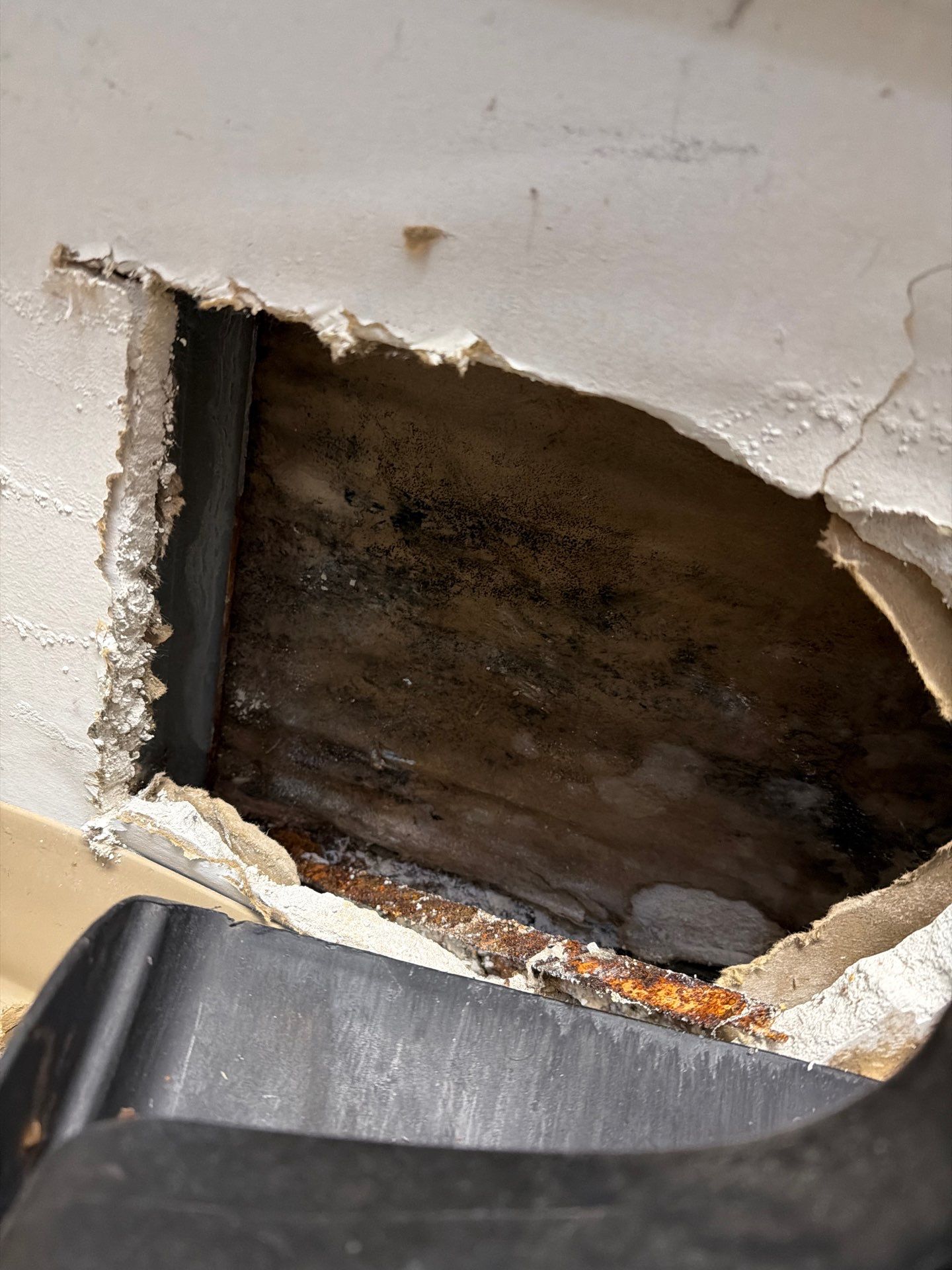
- Mold colonies behind baseboards within 72 hours
- Rusted rebar and post-tension cable corrosion in newer slabs
This is why we run a full moisture map and document every finding. If you skip this step, you pay twice. Our team treats this similarly to how we approach hidden leak detection behind walls, with the same instruments and reporting standards.
The First 60 Minutes: What to Do Right Now
Before we arrive, do this in order.
- Shut the main water valve. Usually near the front hose bib or in the garage on Delphi homes.
- Turn off the water heater breaker. If the hot side is leaking, the tank will run dry.
- Photograph everything. Wet floors, baseboards, warm spots, your water bill. Insurance loves timestamps.
- Move furniture and rugs off affected areas. Wood legs stain carpet fast.
- Do not jackhammer yet. Detection first, demolition last.
- Call Delphi Water Restoration. We dispatch within 60 to 90 minutes across Delphi.